
In recruitment, perfection is chased. The perfect C.V., the perfect candidate, the perfect interview. But many in the hiring world are beginning to ask whether a spotless record is really what employers should be seeking, or whether there’s more value in the story behind a mistake.
The concept of the ‘smart failure’ has gained traction because it celebrates experimentation, reflection and growth. A smart failure isn’t a careless mistake; it’s a misstep that leads to insight, improvement, and, ultimately, better judgment. For recruitment agencies, this presents an opportunity to reframe how they talk about both candidates and employers, and how they represent them online.
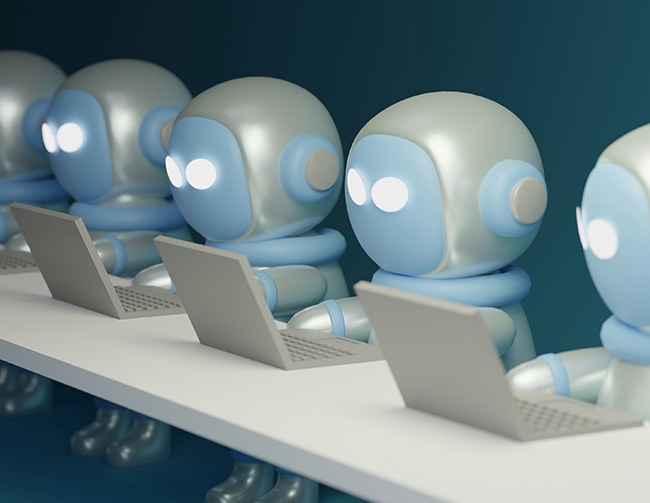
Candidates are increasingly aware that AI can craft flawless cover letters and pitch-perfect C.V.s at the click of a button. Whilst this convenience has its benefits, it’s also generalising the job market. Everyone looks, sounds and writes the same, which is making it more difficult to spot genuine individuality and potential.
This is where the art of storytelling comes into play. An applicant who admits to having faced a professional challenge, and can articulate what they learned from it, instantly stands out from the algorithmically generated mass.
Authenticity, once considered risky, is an asset in today’s job market.
And this shift isn’t just relevant to candidates. Recruitment agencies themselves need to ensure their own brand voice and digital presence mirror this human, honest approach. Through thoughtful and targeted recruitment website design, agencies can create online spaces that value personality and depth over corporate gloss. A site that features case studies, human stories, and reflections from both clients and candidates reinforces credibility in a world saturated with automation.
Flaws that build trust
We’ve all heard the phrase ‘nobody’s perfect’, but in recruitment, imperfection has traditionally been treated as something to conceal. Today, however, forward-thinking agencies are helping candidates frame their perceived weaknesses as evidence of resilience, adaptability, or emotional intelligence.
Imagine two applicants for the same role. One presents a C.V. so polished it could have been written by an AI tool…because it probably was. The other openly shares that they once led a project that missed its target, but they explain what went wrong, how they took accountability, and how the lessons learned led them to manage future projects more successfully.
Recruiters are increasingly recognising that employers value self-awareness and the capacity to grow. A candidate who can explain how they turned a setback into a learning experience demonstrates precisely the qualities that modern workplaces thrive on: curiosity, humility, critical thinking and emotional intelligence. These traits are far harder to fake than a perfectly worded paragraph.
AI has changed recruitment forever, but it’s also created an unexpected paradox. Whilst AI tools can streamline processes and bring to the surface relevant skills faster than ever before, they also strip away the nuances that help hiring managers connect with candidates on a human level.
When everyone’s personal statement reads like it’s been optimised by ChatGPT, an individual’s turn of phrase, human imperfection, even a touch of vulnerability, suddenly becomes refreshingly real. Recruiters can capitalise on this by encouraging applicants to use AI responsibly, i.e. as a drafting assistant rather than a ghostwriter.
Agencies should set the example
Recruitment agencies that preach the value of authenticity must also practise it. That starts with how they present themselves online. A recruitment website that feels overly templated, generic or impersonal communicates the opposite of what candidates and clients are looking for.
Instead, agencies can integrate personality into their digital identity by using storytelling design elements. This could involve real recruiter profiles and insights that show empathy and understanding.
Your website’s copy should reflect your agency’s tone of voice, rather than industry clichés, and help to create a memorable brand experience.
In short, effective recruitment website design isn’t just about usability or SEO performance; it’s about trust. A site that feels human makes it easier for visitors to believe that the agency will treat them as humans too.
The broader message
On a societal level, the acceptance of failure as a learning tool encourages innovation and psychological safety. If people fear that one mistake will define them, they become risk-averse. Teams stagnate. Companies lose creativity. But when we normalise discussing mistakes and extracting lessons from them, we build cultures that are more resilient, adaptive, and forward-thinking.
Recruitment agencies can help shift this mindset at scale and contribute to a healthier, more transparent recruitment culture. This will also position them as thought leaders who understand where the future of work is heading: towards authenticity, empathy, and lifelong learning.
Perfection is overrated, especially in a world where AI can manufacture it on demand. The recruiters and employers who will thrive in the next decade are those who can discern the human from the automated.
Fast Recruitment Websites are specialists in recruitment website design. Contact us for a no-obligation review of your website and whether it meets what your clients and candidates are expecting in today’s job market. Call 01302 288591 for more information.
